Afghan War Since 1979 and Its Impact on Pakistan
The Afghan War did not begin and end with the Soviet invasion of 1979 — it set off a chain of events whose consequences Pakistan is still grappling with nearly five decades later. What started as a Cold War proxy conflict on Pakistan’s western border eventually reshaped the country’s society, economy, and security landscape in ways few could have predicted.
A Strategic Battleground Since the 19th Century
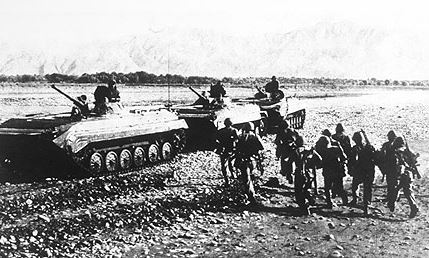
Afghanistan’s landlocked, mountainous terrain has made it a prize for empires since the days of the “Great Game” between Britain and Tsarist Russia in the 19th century. That strategic gravity never really faded. When the Soviet Union sent its army across the border in December 1979, Afghanistan once again became the meeting point of great-power ambition — and Pakistan, sharing a long and porous frontier with it, was pulled directly into the conflict.
The Soviet Invasion and Zia’s Response
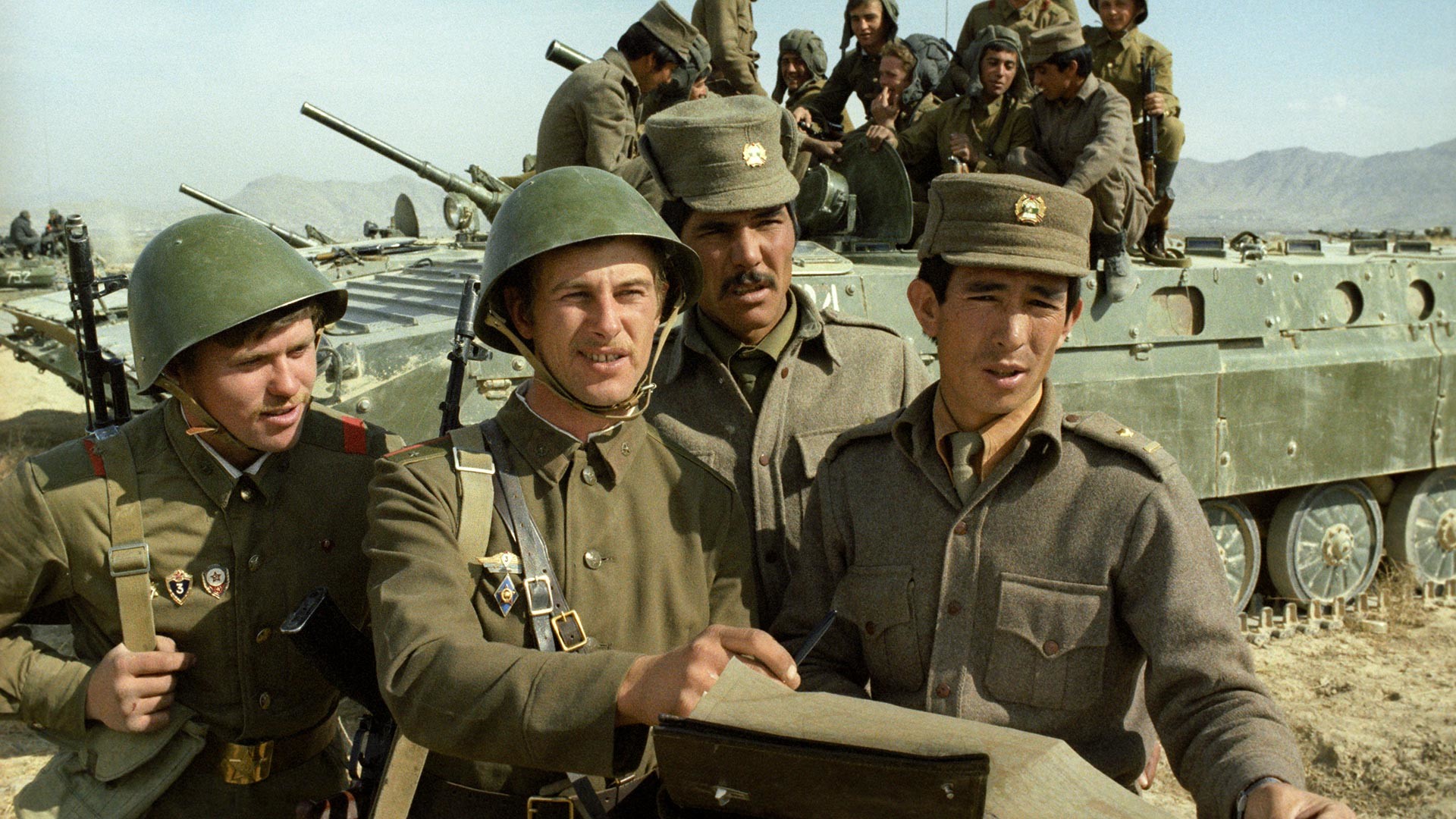
On 27 December 1979, Soviet forces entered Afghanistan in large numbers, eventually replacing the Kabul leadership with the more compliant Babrak Karmal. Moscow’s motives were twofold: to secure a friendly, communist-aligned buffer state on its southern frontier, and to edge closer to the warm-water ports of the Arabian Sea — a goal that, if achieved, would have left Pakistan dangerously exposed.
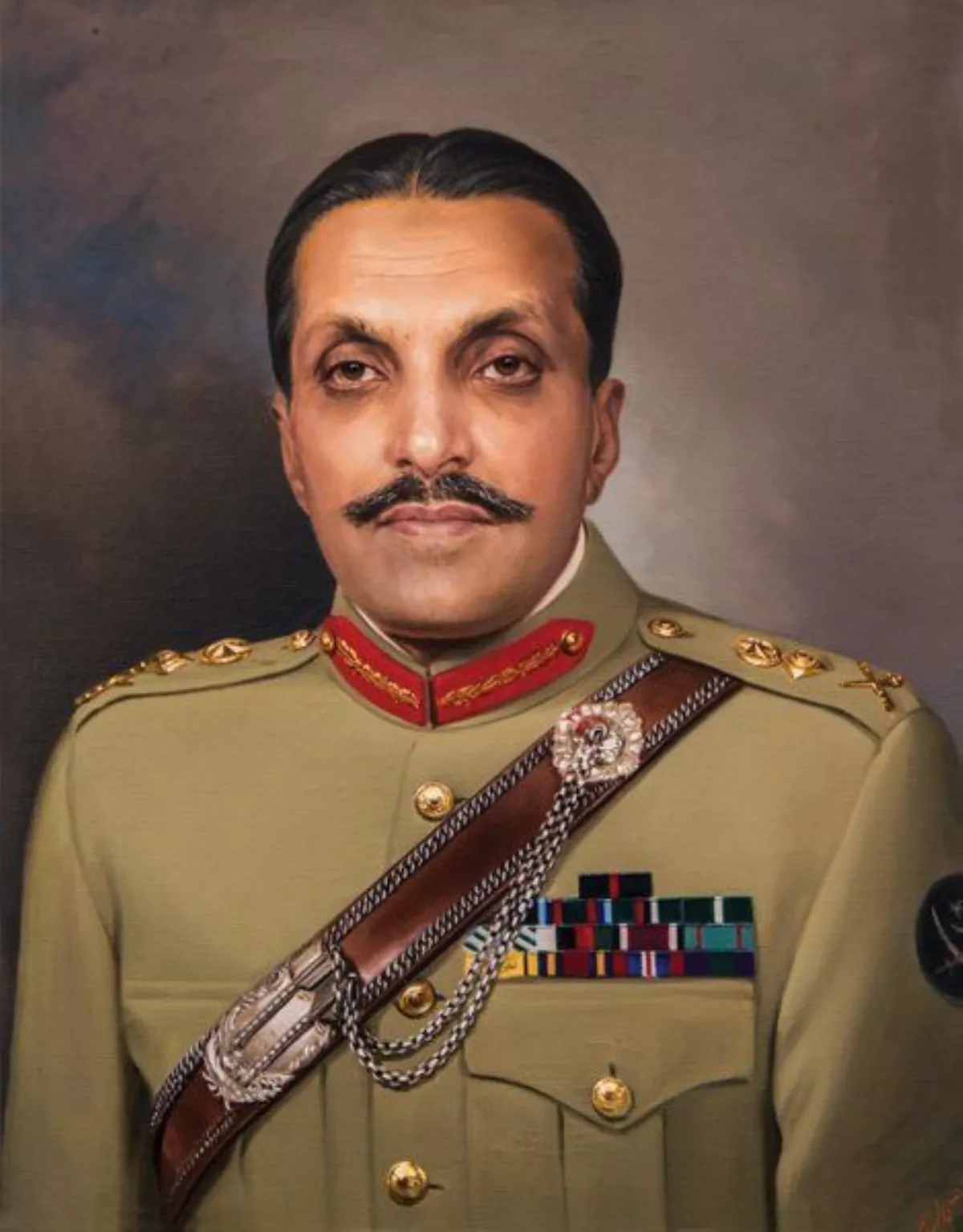
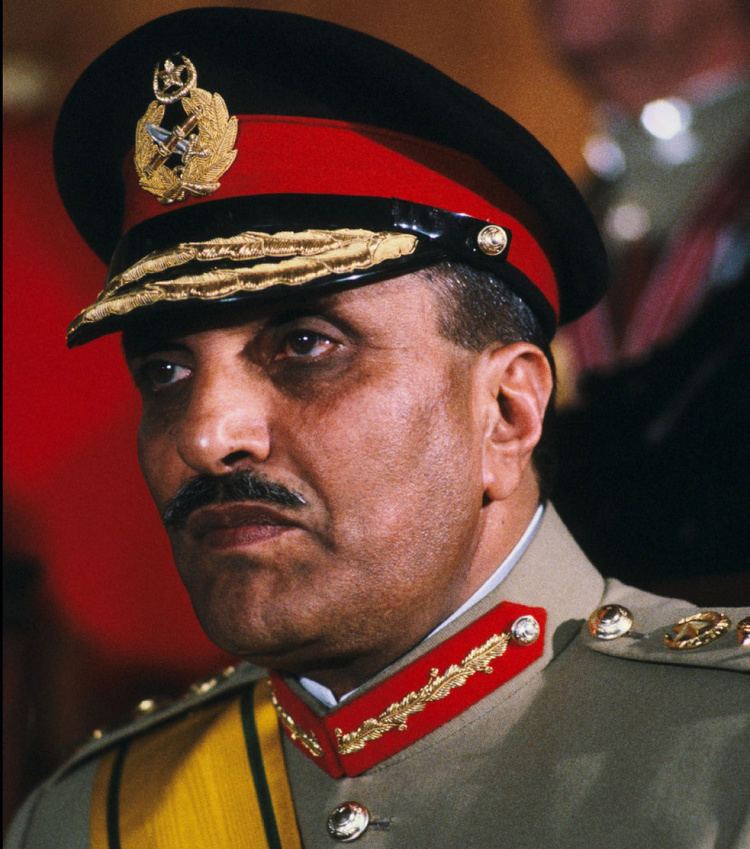
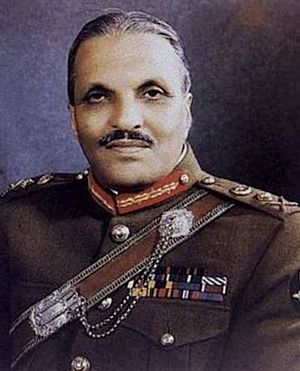
President Zia-ul-Haq read the invasion as an existential threat and made the consequential decision to, in his words, “fight the battle for Pakistan inside Afghanistan.” He worked to internationalize the crisis, securing condemnation from the Organization of Islamic Conference, the Non-Aligned Movement, and the UN General Assembly, while building a network of support for the Afghan resistance.
Washington Enters the Picture
The United States, wary of Soviet expansion toward the Arabian Sea, moved to back Pakistan’s frontline role. The Carter administration’s initial offer of $400 million in aid was famously dismissed by Zia as “peanuts.” It was the Reagan administration that transformed the relationship — pledging $3.2 billion over five years, split evenly between military and economic assistance, easing pressure over Pakistan’s nuclear program, and handing Pakistan operational control over how the war was run. A separate deal for F-16 fighter aircraft followed soon after.
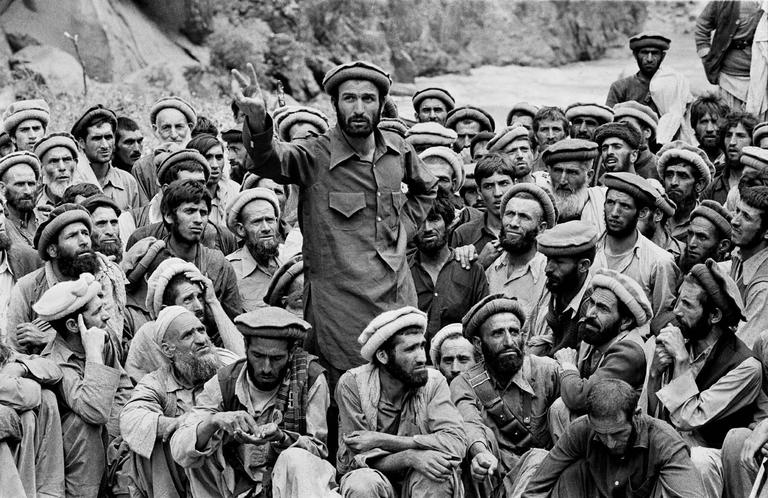
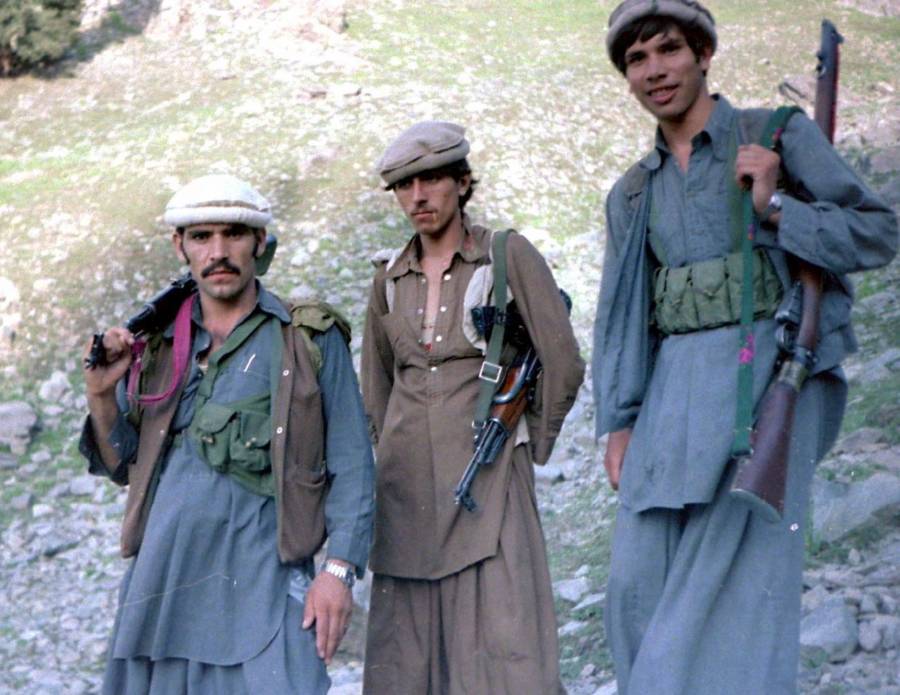
This aid, channeled largely through Pakistan’s military and its intelligence apparatus, built what became a vast covert network — one that moved arms, funneled fighters, and mobilized religious seminaries to raise a guerrilla force capable of bleeding the Soviet army for nearly a decade.

The Hidden Cost: Drugs, Guns, and a Changed Society
The billions of dollars flowing into the war economy left a permanent mark on Pakistan. Four channels defined this network — arms smuggling, drug trafficking, the mobilization of madrasahs and refugee populations into an armed resistance, and the military-intelligence apparatus that controlled it all.
The fallout was severe. Drug abuse spread rapidly through Pakistani society. The uncontrolled accumulation of weapons gave rise to what is now remembered as the Kalashnikov culture, undermining law and order for a generation. Sectarian organizations multiplied, radicalizing communities in the name of jihad. Pakistan, in effect, became a transit corridor for the illegal weapons and narcotics trade — a burden its institutions are still absorbing today.
The Soviet Withdrawal and the Geneva Accord
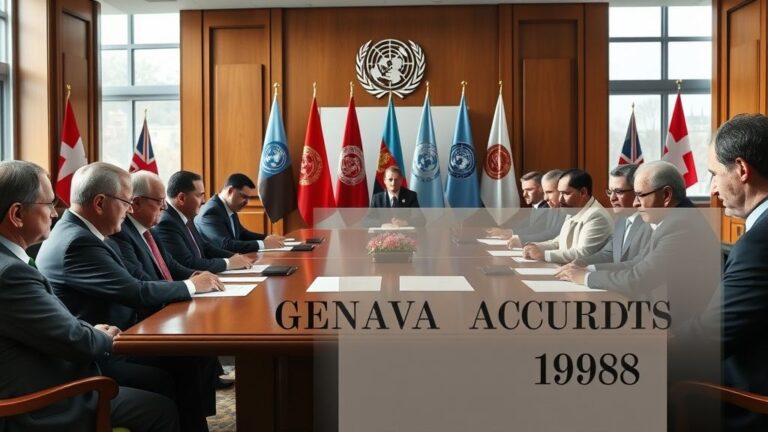
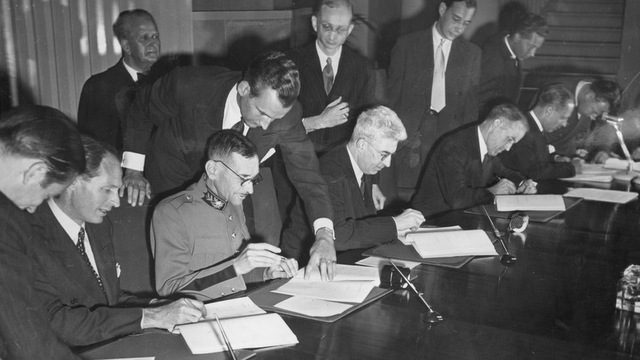
Babrak Karmal was replaced by Najibullah, who proved unable to suppress the mujahideen. As the war dragged on, the Geneva talks gathered momentum, culminating on 14 April 1988 in the Geneva Accord — signed by Pakistan and Afghanistan, with the US and USSR as guarantors. Soviet troops withdrew, and within two years the Soviet Union itself collapsed under the weight of its economic crisis, bringing the Cold War to a close and leaving the United States as the world’s sole superpower.
A Legacy That Outlived the War
Washington achieved its Cold War objective — but Pakistan was left to absorb the consequences alone. The infrastructure built to fight the Soviets did not disappear with them: the weapons stayed, the networks stayed, and the ideology stayed. Refugee settlements strained the economy for decades. Narcotics became a normalized commodity. Sectarianism hardened into organized violence.
Decades later, the same forces that Pakistan helped cultivate to fight a foreign army turned inward. The country that once served as a rear base for the Afghan resistance now finds itself fighting militancy on its own soil — a stark reminder that the Afghan War’s shadow never truly lifted from the region.